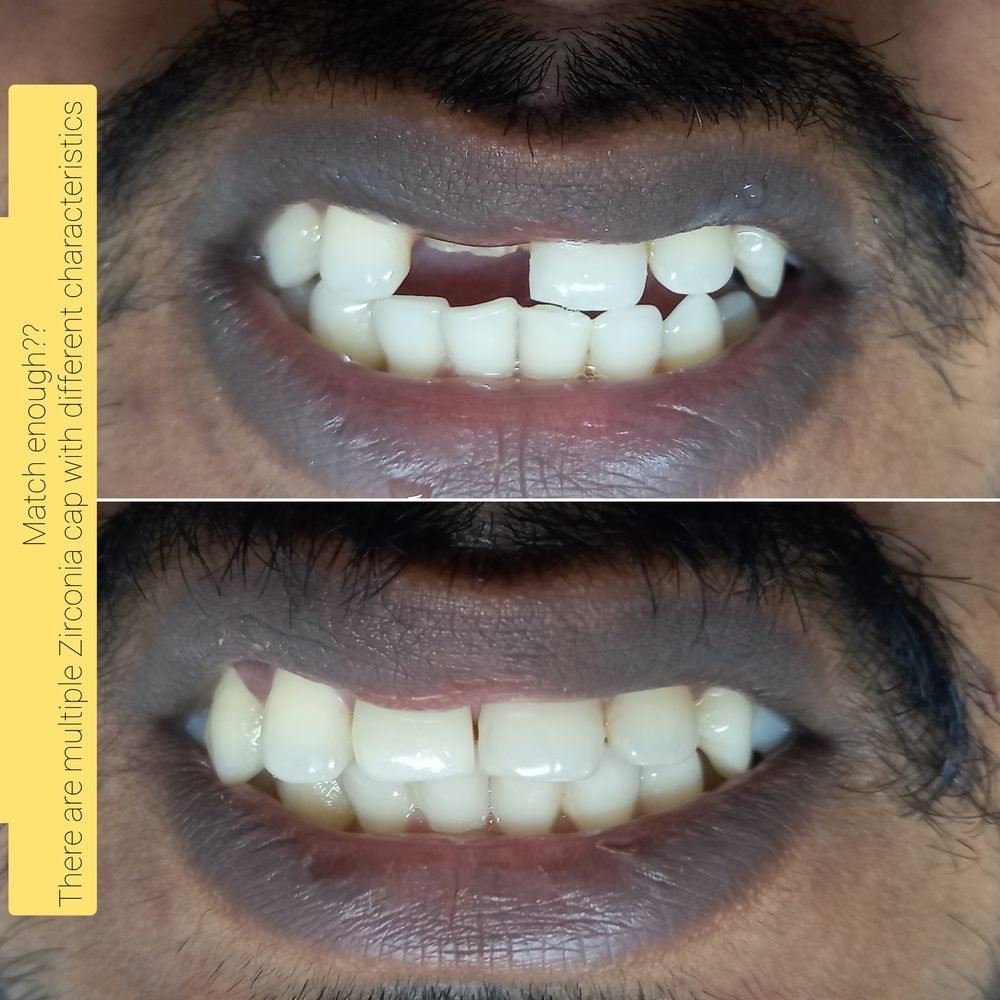
Restorations
How to care for a new crown or cap
Simple daily habits that help a new restoration stay comfortable, clean and natural-looking.
Read the treatment guide →
Simple daily habits that help a new restoration stay comfortable, clean and natural-looking.
Read the treatment guide →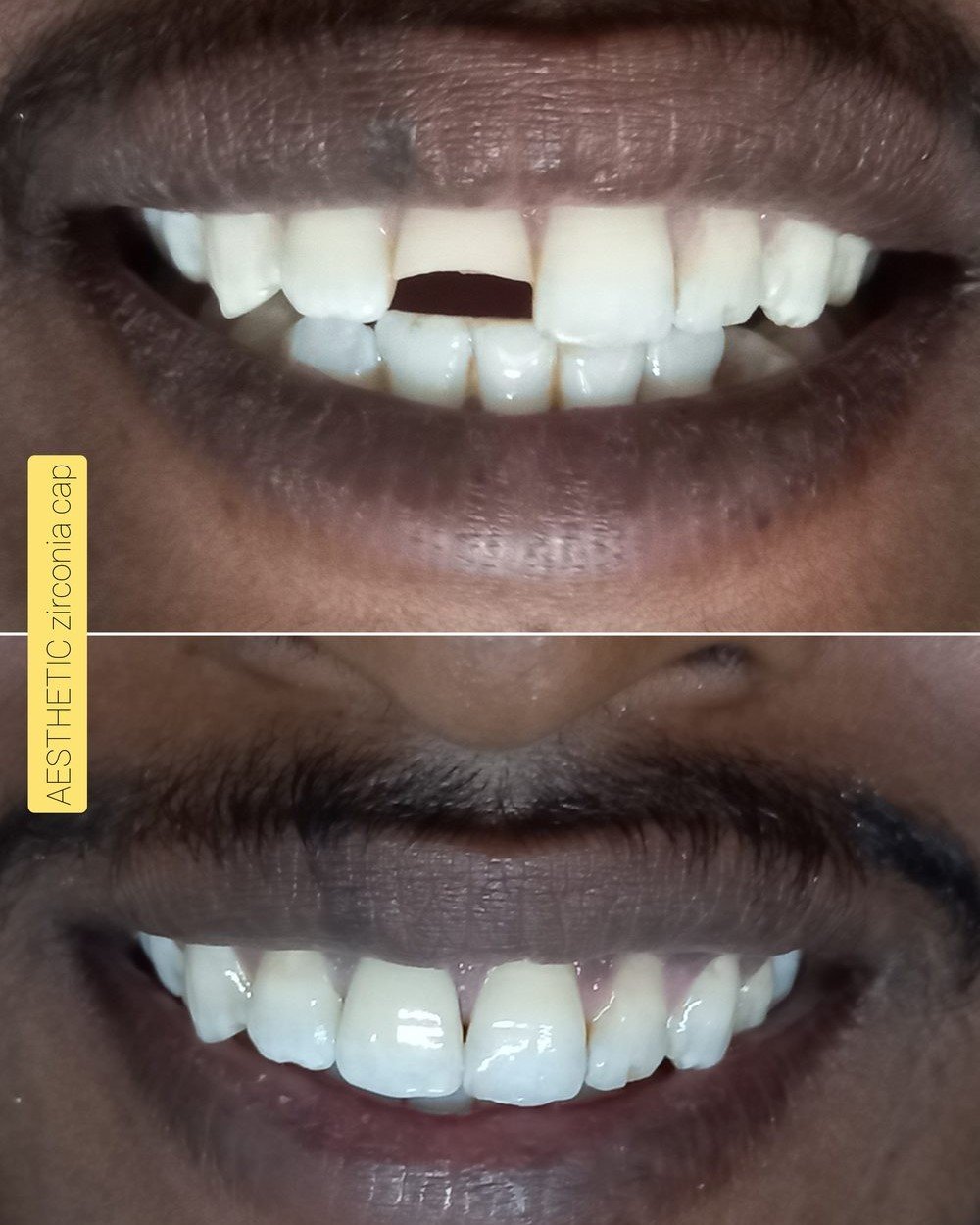
From your first scan to treatment planning, here is how we build a clear and comfortable next step.
Explore implant care →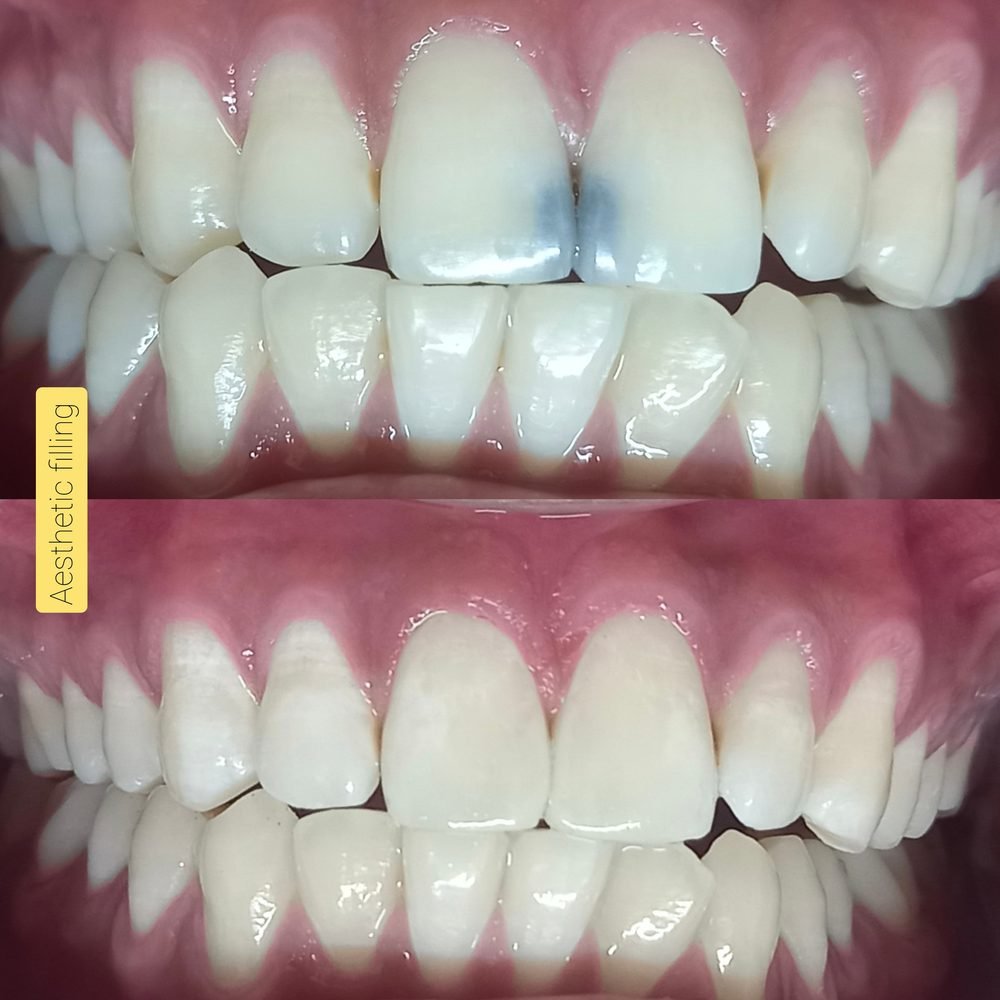
Small problems are easier to manage when they are found early. Learn what a routine visit includes.
See general dentistry →Most people benefit from a dental check-up every six months. Your dentist may recommend a different schedule depending on your oral health.
Implant treatment is performed with local anaesthesia. Some tenderness after treatment is normal and your dentist will explain aftercare.
Contact the clinic promptly for severe toothache, swelling, a broken tooth, bleeding, or a dental injury.
Yes. We explain the recommended options and expected costs clearly before treatment begins.
A routine visit usually includes examination, cleaning, gum review, and a discussion of any concerns or recommended care.
Yes. We provide family-friendly dental care for children, including prevention, hygiene advice, and early treatment when needed.
Professional whitening is generally safe when performed or supervised by a dental professional after checking your gums and enamel.
Persistent pain, sensitivity, swelling, or a darkened tooth can indicate the need for further evaluation.
A filling repairs a small cavity, while a crown covers and protects a tooth that is weakened, cracked, or heavily restored.
Bleeding gums often happen because of plaque buildup or gum inflammation. It is important to be assessed and treated early.
Often yes, depending on the severity. Early examination helps decide whether bonding, a crown, or another procedure is appropriate.
Bad breath can be caused by plaque, gum disease, dry mouth, food particles, or certain medical conditions.
Electric toothbrushes can be very effective, especially for people who have difficulty cleaning thoroughly with a manual brush.
With good care, implants can last many years, often for decades, especially when the surrounding gums and bone stay healthy.
Yes, daily flossing helps remove plaque and food debris from between teeth where a toothbrush cannot reach.
It is a professional cleaning that removes plaque and hardened tartar from the teeth and smooths the surface for easier home care.
Yes. Many adults undergo orthodontic treatment to improve alignment, bite, and confidence.
A dental emergency can include severe pain, swelling, broken teeth, knocked-out teeth, or trauma to the mouth.
Try to seek urgent dental care as quickly as possible, ideally within 30 to 60 minutes if possible.
Gum disease is inflammation of the gums caused by plaque buildup and may progress to damage the supporting bone and tissues.
Yes. Depending on the issue, options may include veneers, whitening, bonding, or other cosmetic treatments.
The best toothpaste is one with fluoride and one that suits your specific needs, such as sensitivity or gum care.
When done properly, whitening is usually safe. Overuse or improper products can increase sensitivity or irritation.
Regular brushing, flossing, fluoride use, balanced diet, and routine dental visits help prevent cavities.
A veneer is a thin layer placed on the front of a tooth to improve its color, shape, or appearance.
Routine cleaning usually takes between 20 and 40 minutes depending on the amount of plaque, tartar, and gum health.
Sensitivity often occurs because of exposed dentin, enamel wear, gum recession, cavities, or recent whitening procedures.
Toothache can be caused by cavities, infection, gum problems, grinding, cracked teeth, or sinus pressure.
At least two minutes twice a day is recommended, using gentle circular motions and fluoride toothpaste.
Yes, many dental treatments can be safely done during pregnancy. It is important to inform your dentist and follow medical guidance.
Yes. Dentures should be cleaned daily, soaked properly, and checked regularly for fit and comfort.
X-rays help identify hidden decay, bone loss, infections, and problems below the surface that are not visible during a normal examination.
Jaw clicking can happen because of clenching, teeth grinding, TMJ stress, or alignment issues. A dental evaluation may help.
A smile makeover is a personalized combination of cosmetic treatments designed to improve the look of your smile.
Usually yes, because small cavities can spread quickly and become more painful or difficult to treat later.
Brush after every meal, floss carefully, avoid sticky foods, and attend regular orthodontic check-ups.
It should look natural and healthy. Your dentist can help choose a shade that suits your smile and facial features.
A bridge is used to replace one or more missing teeth by attaching an artificial tooth to nearby teeth or implants.
Gentle brushing, not over-brushing, good flossing, and regular dental check-ups can reduce the risk of gum recession.
Plaque is a sticky film of bacteria that forms on teeth and can lead to cavities and gum disease if not removed.
Symptoms can include jaw pain, tooth wear, difficulty chewing, or headaches. A dental exam can help diagnose it.
Sometimes yes. Bone grafting or other treatment may help build enough support for implants in some cases.
It can help, but mouthwash is not a replacement for brushing and flossing. It is most useful as a supplement.
Replace your toothbrush every 3 to 4 months, or sooner if the bristles are worn or frayed.
Yes, impacted wisdom teeth can cause pain, swelling, crowding, infection, or damage to nearby teeth.
Not always, but a chipped tooth should be assessed because it can become painful or vulnerable over time.
The dentist removes the damaged nerve and infected tissue, cleans the space, and seals the tooth to preserve function.
Crowns may be made from porcelain, ceramic, zirconia, metal, or a combination depending on the tooth and aesthetic goals.
Yes, if prescribed for bruxism or to protect the teeth while sleeping. It should fit properly and be cleaned regularly.
Dry mouth may be caused by dehydration, medications, mouth breathing, stress, or certain health conditions.
Yellowing can be due to enamel wear, stains, certain foods, smoking, or natural tooth structure differences.
Symptoms include jaw pain, headaches, worn enamel, chipped teeth, and teeth that feel sensitive or sore in the morning.
A dental scan is a digital image used to view the teeth, gums, and bone structure in detail for diagnosis and planning.
Yes. Dental implants and bridges are often alternatives depending on your needs and oral health.
Fillings can last several years, but their lifespan depends on the material, location, and how well you care for your teeth.
Brush twice daily, floss or use interdental cleaners, and attend regular reviews to protect implant health.
Yes. Rest, gentle rinsing, proper medication, and avoiding smoking or straws help healing and reduce complications.
Yes. Orthodontic treatment can close gaps, improve alignment, and create a more balanced bite.
Swollen gums can happen due to inflammation, infection, irritation from plaque, or a local problem such as a trapped food particle.
See a dentist promptly. The right treatment depends on the age of the patient and the reason the tooth is loose.
Roughness can be caused by plaque buildup, stains, worn enamel, or changes in the tooth surface that should be checked.
Some mild soreness can happen after cleaning, especially if there is inflammation. It should settle comfortably over a few days.
Sealants are protective coatings placed on the chewing surfaces of back teeth to help prevent decay.
Yes. Diabetes can increase the risk of gum disease and slow healing, so regular dental care is important.
Most children benefit from regular check-ups every six months, starting when their first teeth appear or by age one.
Whitening does not usually change the color of crowns or veneers, so it is best discussed before treatment planning.
A dentist provides general oral care, while an orthodontist focuses on alignment, bite issues, and tooth movement.
No. Completing treatment as planned helps ensure the condition is truly resolved and the tooth remains healthy.
A custom or properly fitted mouthguard can help protect teeth and reduce the risk of injury during sports.
An intraoral scan captures a digital impression of your teeth and mouth, often used for aligners, crowns, and implant planning.
Seek dental care promptly because an abscess can cause infection and may require antibiotics or a procedure to drain it.
Sometimes. If it is a permanent tooth and handled correctly, it may be re-implanted quickly by a dentist.
Bleeding gums, bad breath, swelling, or gum recession are common signs that a gum evaluation is recommended.
It is a planning approach that uses digital tools to preview cosmetic changes before treatment begins.
Costs vary by treatment, but many clinics offer clear pricing and phased treatment plans to suit different needs.
Most people start with soft foods and ease into normal meals once healing is comfortable, usually within a few days.
Fluoride strengthens enamel and helps prevent cavities by making teeth more resistant to acid attacks.
Yes. A consultation is a good way to understand your options, diagnosis, expected timeline, and costs before deciding.
It is best to replace missing teeth early when possible to protect bite function, spacing, and long-term oral health.
Healthy gums and tissues reduce the risk of gum disease, tooth loss, and related oral health complications.
It depends on the stage of gum disease. Treatment usually needs to be stable before cosmetic procedures are planned.
A veneer is usually suited to front teeth with cosmetic concerns, while a crown covers a tooth more extensively when strength matters.
Some patients may benefit from a dental evaluation for oral appliances that help manage snoring or mild sleep apnea.
They can still be durable, but many patients prefer tooth-colored fillings for esthetic reasons and improved appearance.
Yes. Many dental problems develop without obvious symptoms, so regular check-ups help catch issues early.
It may be a sign of sensitivity, a crack, a cavity, or a damaged filling. A dental exam can help identify the cause.
Yes. Clear aligners are an option for many patients depending on the treatment need and complexity.
Gum reshaping and contouring can improve the appearance of the smile when the gum line is uneven or excessive.
You do not need to avoid it completely, but limiting frequent sugar exposure helps reduce the risk of cavities.
A consultation is an assessment where a dentist reviews your symptoms, examines your mouth, and recommends diagnosis and treatment options.
Regular brushing, flossing, limiting stain-causing foods, and dental cleanings help maintain a brighter smile.
In some cases, alignment and bite correction can help improve speech and oral function.
Implants still need careful cleaning around the gum line and between teeth to prevent gum inflammation and complications.
Look for clear planning, proper diagnostics, experienced clinicians, and a treatment explanation that matches your goals and budget.